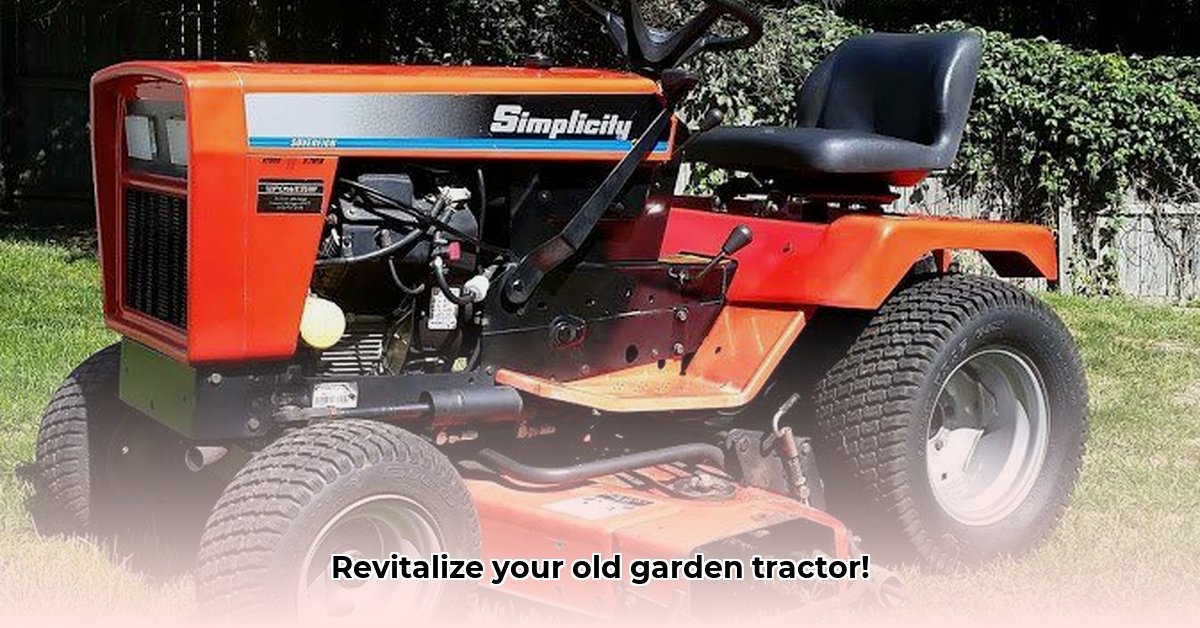
Identifying and Evaluating Vintage Simplicity Tractors
The satisfying rumble of a classic Simplicity garden tractor evokes nostalgia and a connection to a simpler time. These robust machines are increasingly sought after by collectors, creating a vibrant market with high demand and limited supply. This guide helps you navigate this exciting world, from identifying a tractor to assessing its value and embarking on restoration. But first, let's identify your treasure.
For additional resources, check out these vintage tractor manuals.
Simplicity manufactured a wide array of models over the years, each with unique features. A visual guide (images would be included here) comparing various models and highlighting key distinguishing characteristics is essential. Pay close attention to the engine, mower deck, and transmission. Note any numbers or markings—these are crucial identifiers.
Condition significantly impacts value. We use a four-point scale:
- Excellent: Pristine, fully functional, all original parts.
- Good: Minor cosmetic flaws, fully functional.
- Fair: Some repairs needed, parts sourcing may be required.
- Poor: Significant repairs needed, extensive parts sourcing.
Before purchasing, conduct a thorough inspection. Check engine compression (a measure of internal health), look for rust and damage, and ensure all vital parts are present. Original manuals and service literature are invaluable, adding substantial value and guiding repairs. Are you ready for the next step? Let's discuss sourcing those all-important parts.
Sourcing Parts and Restoration
Finding the right parts is critical. Online marketplaces (e.g., eBay, Messicks) offer a vast selection, but be cautious of counterfeits. Specialized vendors often carry genuine parts and offer expert advice, though at a potentially higher price. Comparing prices and carefully examining the quality is essential. Remember, a picture can be deceiving!
Restoration is a rewarding but challenging process. It requires patience, the right tools, and a methodical approach. Carefully disassemble the tractor, documenting each step with photos. Clean each part thoroughly, repair or replace damaged components, and meticulously reassemble. Safety is paramount; always use appropriate safety gear.
For complex repairs, consider hiring a professional restoration specialist. Experts possess the skills and experience to handle challenging tasks, ensuring a proper restoration.
Here’s a breakdown of resources:
| Resource Type | Advantages | Disadvantages |
|---|---|---|
| Online Marketplaces | Wide selection, often competitive pricing | Risk of counterfeit parts, shipping costs |
| Specialized Vendors | Genuine parts, expert advice may be available | Potentially higher prices, limited selection |
| Restoration Specialists | Expertise, complete restoration services | Typically expensive |
Market Trends and Investment
The market for vintage Simplicity tractors is robust, with values varying by model and condition. Rare models in excellent condition command the highest prices. The future looks promising; the limited supply and continued collector interest suggest potential for appreciation. However, economic factors and part availability influence market trends.
Sound investment strategies involve thorough research and prioritizing tractors in good original condition requiring minimal restoration. Extensive restoration projects can quickly become costly.
Conclusion
Restoring a vintage Simplicity garden tractor is a rewarding blend of mechanical skill and historical appreciation. While challenging, the process fosters a deep connection to the machine and a sense of accomplishment. By following this guide, you can confidently navigate the market, source parts, and enjoy the journey of bringing a piece of history back to life. Now, are you ready to start your engine?